Font Choice That Changes Everything
Running a small business means every detail matters. From the way your products look to how you present them, each choice can make or break the customer experience. A few months ago, I was preparing new labels for my handmade candles and realized that the font I had been using wasn’t quite right. It felt too generic, and I wanted something that would reflect the personality of my brand—something warm, inviting, and just a little bit special.
The Right Font Can Make All the Difference
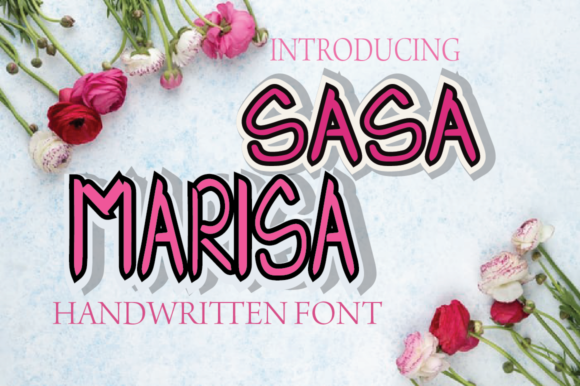
I came across Sasa Marrissa, a sweet handwritten font that immediately caught my eye. It has this fun, quirky feel that feels natural and authentic. The first time I saw it, I knew it could be the perfect fit for my brand. It’s not just about looking good—it’s about making your brand feel more real and approachable to customers.
As I started experimenting with Sasa Marrissa, I realized how versatile it could be. It works beautifully on product labels, packaging, and even social media graphics. Whether I was designing a candle jar label or creating a new Instagram post, the font added a personal touch that made everything feel more intentional.
How Sasa Marrissa Enhances Brand Identity
Typography plays a huge role in how people perceive your brand. A well-chosen font can make your brand feel more professional, trustworthy, and consistent. With Sasa Marrissa, I noticed an immediate shift in how my brand looked and felt. It brought a sense of warmth and personality that matched the handmade nature of my products.
Using Sasa Marrissa helped me create a cohesive visual identity across all my materials. From my website banners to my thank-you cards, the font became a consistent element that tied everything together. This consistency is key for building recognition and trust with customers.
Real-World Applications of Sasa Marrissa
Sasa Marrissa isn’t just for labels. I’ve used it for logo design, menu creation, and even social media templates. For example, when I redesigned my café’s menu, I wanted something that felt friendly and easy to read. Sasa Marrissa worked perfectly as a display font, adding character without overwhelming the text.
It also pairs well with other fonts, which is great for creating layered designs. I often use it alongside a clean sans serif font for headings and a modern serif font for body text. This combination ensures readability while keeping the overall design visually appealing.
One of my favorite uses has been for product packaging. When I updated my candle labels, I used Sasa Marrissa for the titles and descriptions. It made the information feel more personal and engaging, which helped customers connect with the product on a deeper level.
Readability Matters, Especially on Small Labels
While Sasa Marrissa has a charming handwritten style, I’ve learned that readability is still crucial, especially on small labels or mobile screens. I make sure to use appropriate sizing and spacing to ensure the text is legible at a glance. This attention to detail helps maintain the brand’s professionalism while keeping the design inviting.
For printed packaging, I always check the font’s weight and stroke thickness to ensure it looks good in print. It’s also important to consider the background color and contrast to avoid any readability issues. These small adjustments help keep the design both stylish and functional.
Why Choose Sasa Marrissa for Your Brand?
If you’re looking for a font that adds personality without sacrificing professionalism, Sasa Marrissa might be the perfect choice. It’s ideal for headlines, short phrases, and decorative accents. Its playful yet elegant style makes it suitable for a wide range of applications, from branding to digital content.
Before using Sasa Marrissa on your projects, I recommend checking the included styles, file formats, and licensing options. Ensuring you have the right permissions will help you use the font confidently in all your creative work.
Whether you’re running a boutique, a café, or an online shop, Sasa Marrissa can help elevate your brand’s visual appeal. It’s a simple change that can make a big impact—both on your design and your customers’ perception of your business.